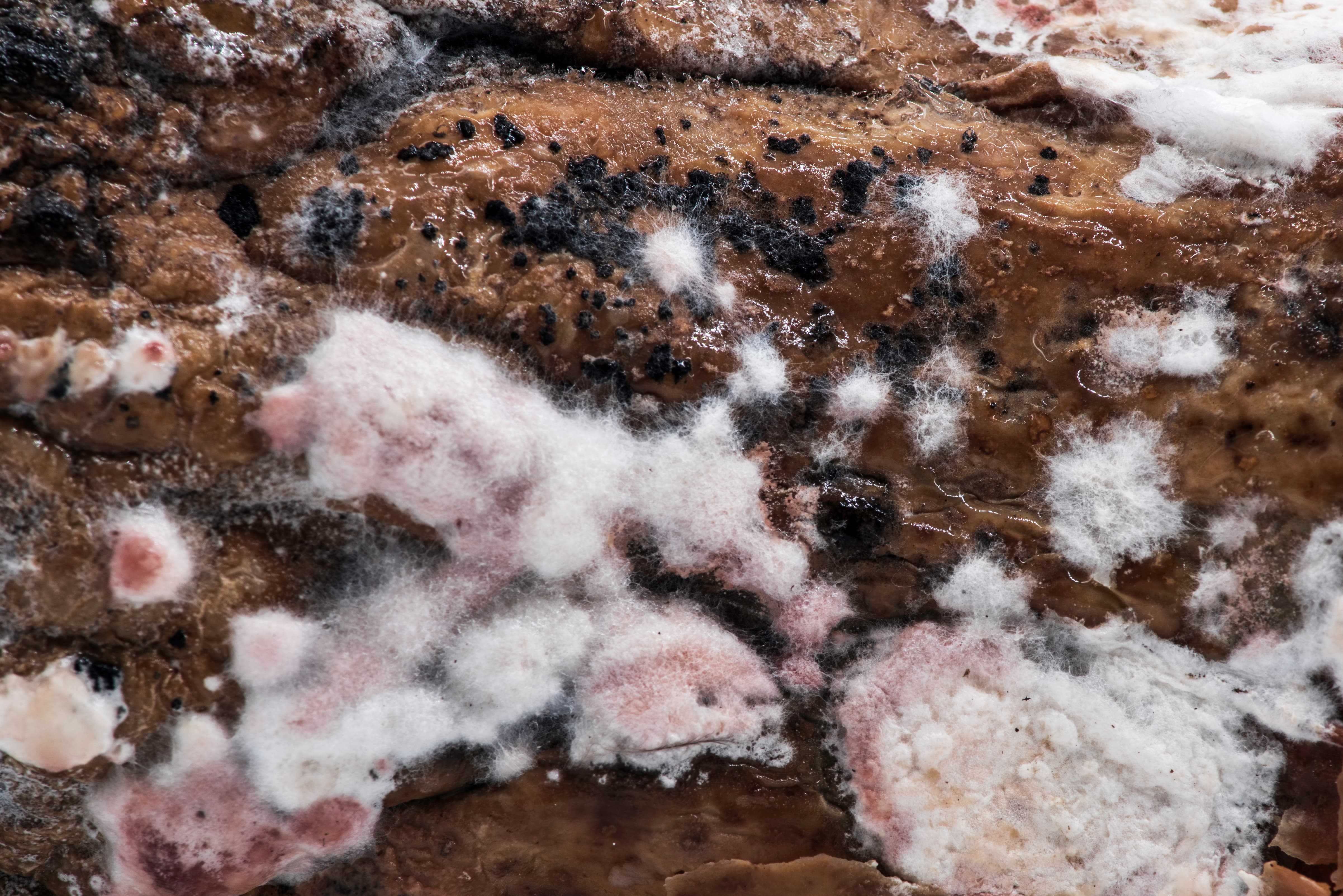
While selecting the image I chose for this project, I was thinkingoften of Michel Foucault’s The History of Sexuality (Volume:1) and his statement “the rallying point for the counterattackagainst the deployment of sexuality ought not to be desire, butbodies and pleasures.” Jordan Amirkhani expands on this by saying“With this statement, Foucault momentarily turns normativesexuality on its head, posing that sexuality might not be tied sodirectly to clearly defined sexually differenced bodies (male andfemale), but bodies of all forms and differences manifesting andexperiencing a diversity and depth of pleasures.” in their reviewof the exhibition Queer(ing) Pleasure at the DC Arts Centre in2018.
Throughthe context of these two statements I was also considerate of howmany of the mainstream media productions we consume, depictqueerness, and acts of queerness, through the lens of desire —Crash 1996 through the allegory of James Ballard and hiswife’s experience with an underground sex cult, BrokebackMountain 2005 in the way their sexual interactions are depictedas forbidden desire as opposed to an undiscovered pleasure, orChasing Amy 1997 where Alyssa’s freedom of sexuality ismocked by her friends and lover, and the physical acts of queer loveare doubted and belittled — rather than as pleasure or actsperformed for the sake of pleasure.
Throughits own form of queer existence, mould upends expectations andprovides us with a new way to think about different bodies andpleasures. Both conceptually and aesthetically, mould is oftenthought of as unpleasant, unsafe, and a reminder of decay or death.However, the story of decay is assigned to mould: it does not existto destroy, to infect or to overtake. Its only goal is survival, toadapt to and inhabit the unseen spaces around us, redistributingenergy and proving a new form of existence for the decaying object inwhich the mould has made its home. It is through this communityoriented style of growth that its patterns create visuals that areoddly pleasurable and invite curiosity. By abstracting theseformations, I am able to create landscapes reminiscent of strangebodies with wet flesh and clumps of hair growing sporadically, a sortof memento mori that doubles as an allegory for queer defiancethrough existence. Growing and overcoming social expectations ofdegenerate desire.